
Code Elegance in DevOps: Why Small Scripting Details Matter
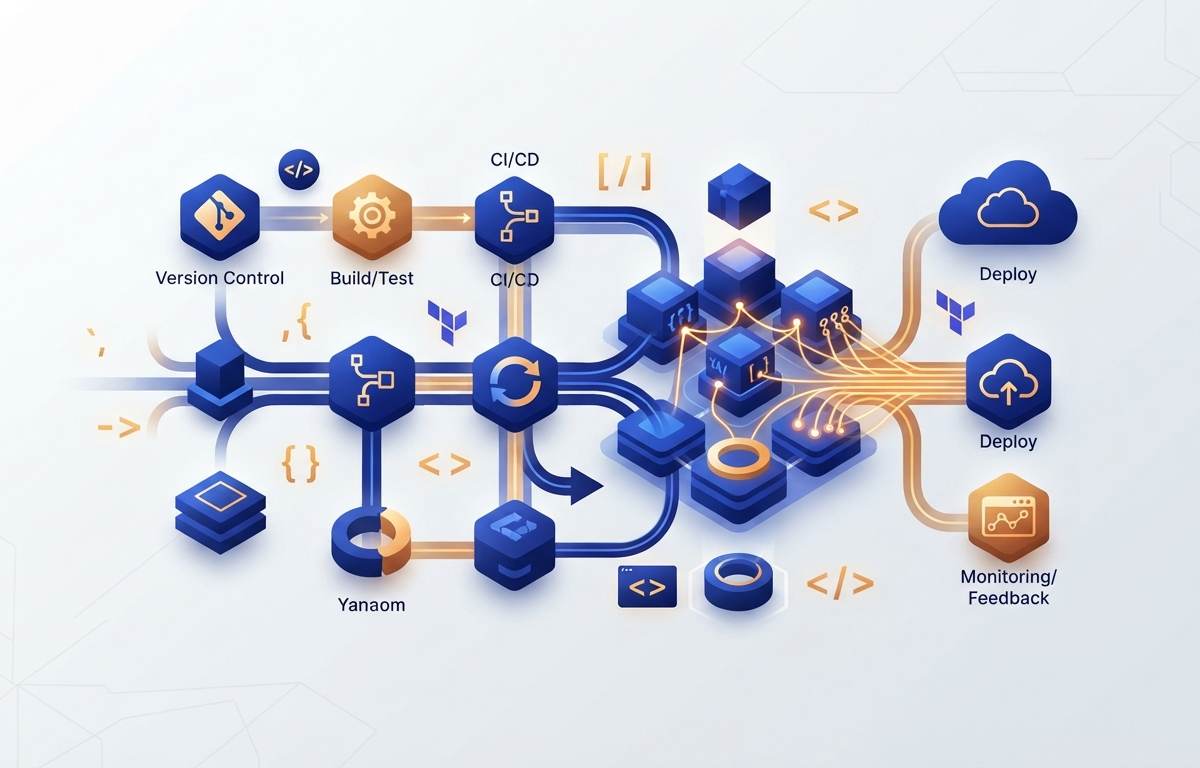
In the world of Linux system administration and DevOps automation, the POSIX shell null command, represented simply as a colon, is a fascinating study in minimalist design. On the surface, the command performs no operation and returns a success status. However, seasoned software engineers frequently use it as a foundational tool for infinite execution loops, fallback variable assignments, and clean code placeholders. While it appears to do nothing, its strategic placement creates highly efficient, predictable scripts that are easier to maintain over time.
From a global technical perspective, micro-patterns like this highlight the difference between fragile automation and resilient enterprise infrastructure. Modern software deployment relies heavily on shell scripts running inside continuous integration pipelines, containerized environments, and serverless architectures. Using built-in, lightweight shell mechanisms avoids spawning unnecessary subshells, conserves system resources, and prevents edge-case runtime errors that can trigger silent failures across cloud platforms.
For growing organizations, establishing disciplined scripting standards is far more than an aesthetic preference for developers; it is a core risk management strategy. As enterprises modernize their technology stack, legacy deployment scripts often become sprawling and unmanageable. Standardizing shell idioms and encouraging clean coding practices reduces technical debt, speeds up onboarding for new engineers, and ensures that automated routines remain stable as systems scale.
In Oman and the wider Gulf region, where public entities and private enterprises are aggressively pursuing digital transformation under initiatives like Oman Vision 2040, operational resilience is paramount. Government agencies, financial institutions, and telecom providers rely on continuous cloud availability. A single broken background script during a routine update can disrupt critical citizen services or digital payment channels, leading to financial loss and reputational damage.
Business leaders and IT managers in the GCC should treat internal automation standards with the same rigor as cybersecurity policies. Investing in developer upskilling and auditing legacy infrastructure code ensures that digital systems remain robust. Partnering with specialized digital product studios to build modern web platforms, custom workflows, and automated cloud services provides Omani enterprises with the stability needed to scale seamlessly in a competitive digital economy.