
Cloud Logistics Platforms Redefine E-Commerce Fulfillment
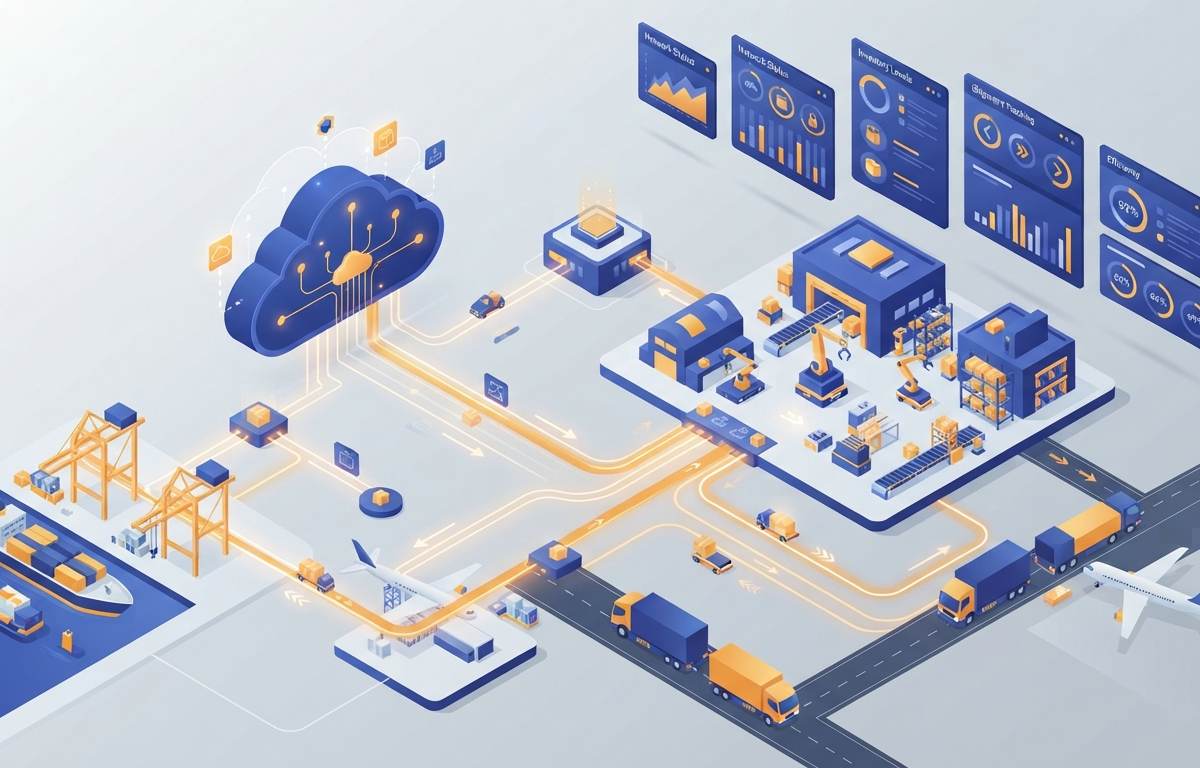
The rapid expansion of global e-commerce has exposed a critical operational bottleneck for growing businesses: physical fulfillment and inventory management. Modern logistics platforms are solving this challenge by offering asset-light, cloud-driven fulfillment infrastructure. By connecting merchants seamlessly with distributed warehousing networks through centralized software, these platforms transform complex supply chain logistics into an on-demand digital utility.
Traditionally, scaling an online store required substantial capital expenditure in warehousing, manual labor, and bespoke enterprise software. Cloud logistics platforms replace these hurdles with automated application programming interfaces that integrate directly with major digital storefronts. Inventory tracking, automated picking, packaging, and real-time shipping updates are managed programmatically, eliminating human error and cutting fulfillment cycles dramatically.
Globally, this shift toward logistics as a service democratizes retail competition. Small and medium-sized enterprises can now access enterprise-grade fulfillment networks without long-term commercial leases or heavy fixed overheads. As digital retail becomes increasingly borderless, agile software platforms enable businesses to dispatch goods faster, optimize stock levels via predictive analytics, and maintain consistent customer satisfaction.
For business owners and retail operators across Oman and the GCC, this model offers a clear roadmap for digital transformation. Regional e-commerce is booming under national initiatives like Oman Vision 2040, yet fragmented logistics and cross-border customs handling often compress profit margins. By integrating automated logistics software and custom inventory dashboards into their web and mobile stores, Omani SMEs can centralize regional dispatches, reduce last-mile delivery friction, and seamlessly fulfill orders across Gulf markets.
Transitioning to automated supply chain workflows is no longer reserved for retail conglomerates. Local businesses should prioritize modernizing their digital infrastructure by connecting their e-commerce storefronts to automated inventory management and third-party logistics APIs. Adopting this cloud-first operational mindset ensures lower operating expenses, faster delivery turnarounds, and a resilient foundation for sustained business growth.