
Building iOS Apps Faster with Automated Pipelines
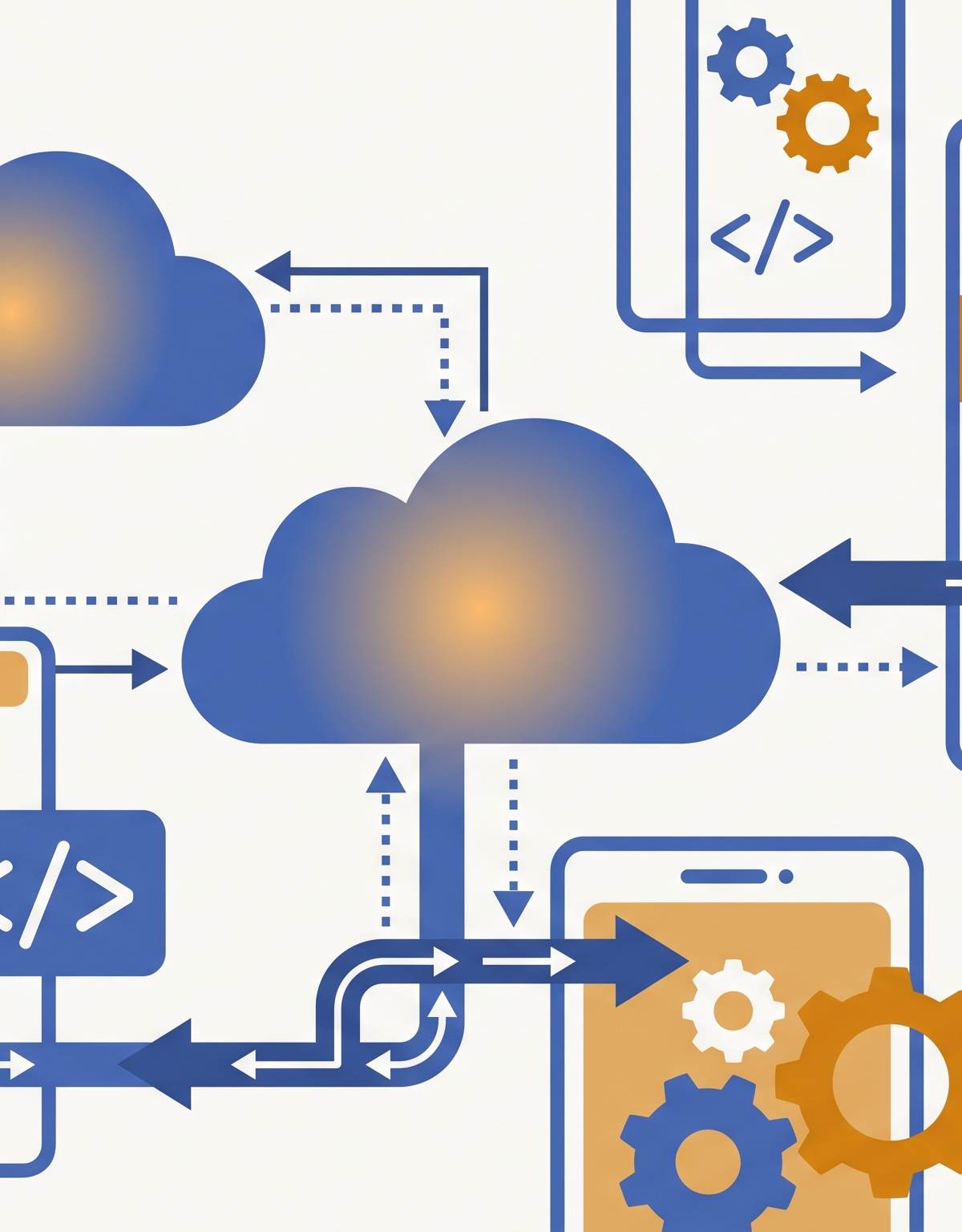
The traditional process of building and deploying iOS and macOS applications has long been tied to Apple's Xcode graphical interface. However, a growing shift toward command-line automation is redefining how software is shipped. By bypassing the heavy graphical interface and leveraging automated terminal tools, developers can now compile, test, and distribute applications directly through automated scripts. This transition represents a major leap forward in software engineering efficiency.
Globally, this movement toward headless development is powered by Continuous Integration and Continuous Deployment (CI/CD) pipelines. Instead of manual clicks and human intervention, code changes automatically trigger cloud-based servers to compile and push updates to the App Store. This eliminates the common dilemma of software working on only one machine, ensures consistent quality control, and dramatically reduces the time developers spend on repetitive administrative tasks rather than writing core business logic.
For modern enterprises, time-to-market is a critical competitive advantage. When app deployment is automated, the cycle of releasing new features, fixing security vulnerabilities, and updating user interfaces shrinks from weeks to hours. This operational agility allows companies to respond instantly to market demands, customer feedback, and competitive pressures without disrupting their core development teams.
For businesses, startups, and government entities in Oman and the wider GCC, this automation trend offers a highly practical solution to local talent shortages and high development costs. As the Sultanate drives toward Oman Vision 2040 and accelerates its digital economy, local organizations must build robust mobile solutions efficiently. By adopting automated build pipelines, Omani SMEs and government departments can deploy digital services and e-commerce apps with smaller, leaner development teams, saving valuable capital while maintaining international security and performance standards.
Ultimately, bypassing traditional development bottlenecks is not just a technical preference; it is a strategic business decision. Decision-makers in the Gulf should encourage their technical teams to transition away from manual deployment methods in favor of automated workflows. Embracing these modern software practices will ensure that regional businesses remain agile, resilient, and ready to lead in the digital-first marketplace.