
Avoid the Wrong Tech Abstraction: Lessons for Gulf Businesses
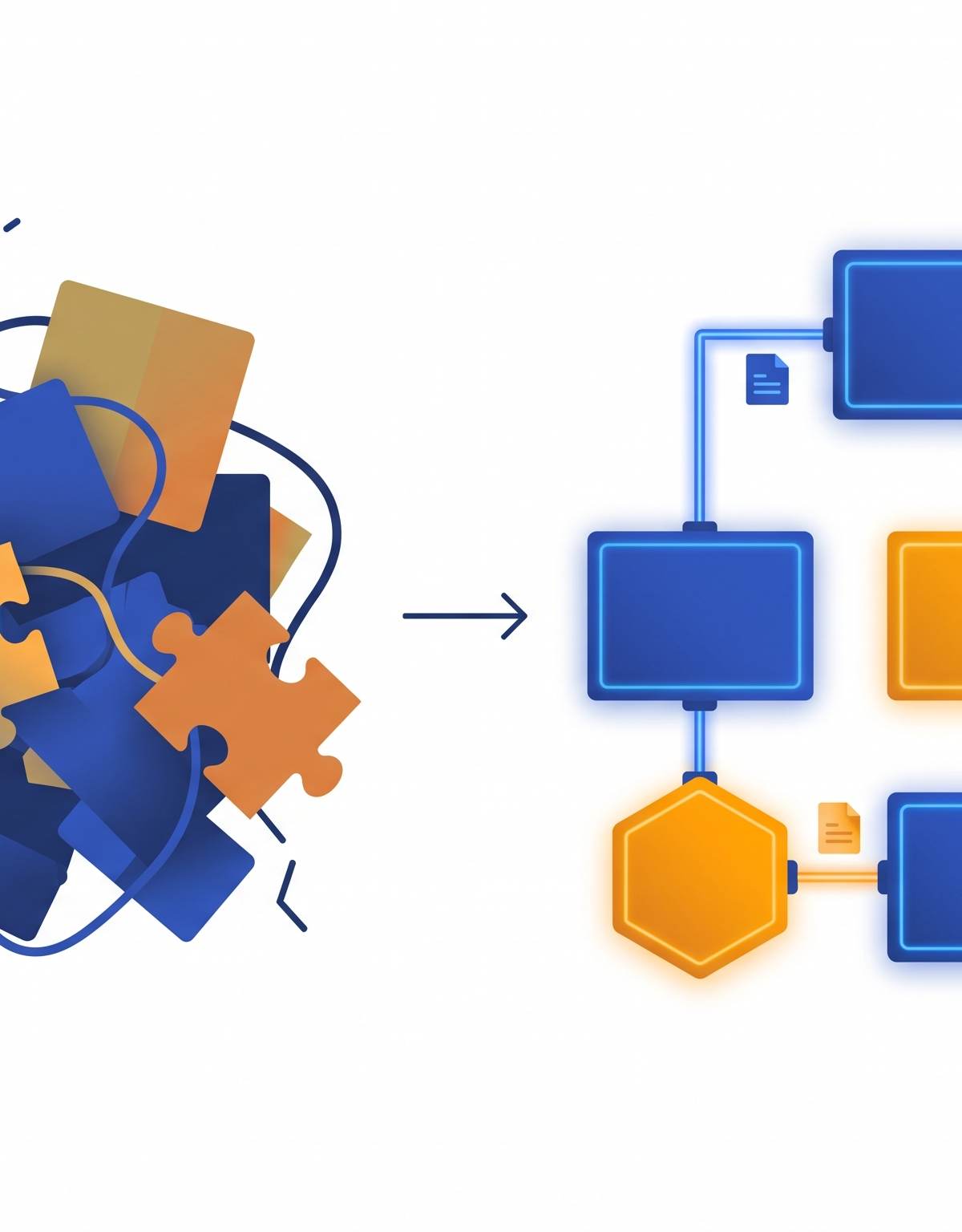
Introduce Sandi Metz's classic software concept: "prefer duplication over the wrong abstraction." For business leaders, this means it is far cheaper and more efficient to tolerate minor repetitions in your digital tools and software code than to build a rigid, complex system that tries to do everything but fits nothing perfectly. When developers or managers rush to unify different processes into a single grand framework, they often create a monster of technical debt.
Globally, this principle is highly relevant as companies accelerate their digital transformation. Organizations frequently fall into the trap of purchasing or building massive, all-in-one enterprise platforms under the assumption that centralization equals efficiency. However, as business requirements evolve, these rigid systems require expensive workarounds and custom patches. The cost of undoing a bad technical abstraction is almost always higher than the cost of maintaining separate, simpler, and slightly redundant systems that actually work.
In modern software development and cloud integration, keeping things modular and simple is key. When teams are allowed to write duplicate code or use distinct micro-tools for different departments, they retain the flexibility to pivot. Once the actual patterns of usage become crystal clear over time, only then does it make sense to merge them into a unified system. Rushing this process leads to premature optimization, which acts as a silent killer of agility in fast-growing enterprises.
In Oman and the wider GCC, where organizations are rapidly aligning with Vision 2040 through digital transformation, this lesson is highly actionable. Many Omani SMEs and government entities mistakenly invest in heavily customized, massive ERP systems or unified databases too early, which subsequently stall their operations. Instead of forcing every department into a single complex software framework, local decision-makers should opt for simple, independent digital workflows, custom localized apps, or modular cloud solutions that address specific needs first.
Ultimately, the path to a sustainable digital economy in the Gulf relies on pragmatic technology choices. Business leaders must empower their IT teams to prioritize flexibility over premature perfection. By accepting minor duplications in your initial digital steps—whether in e-commerce setups, customer service chatbots, or internal databases—you preserve the agility needed to scale successfully in a dynamic regional market.