
Apple's Latest OS Wave: What GCC Businesses Must Prepare For
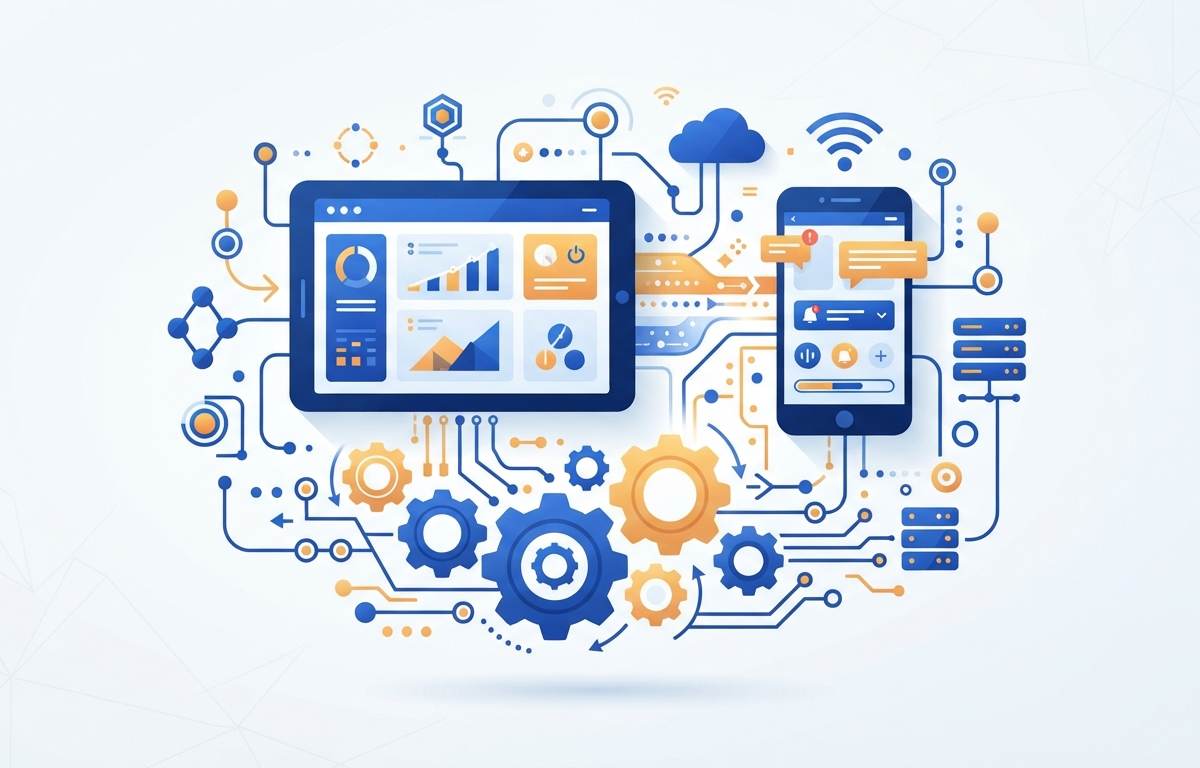
Apple has officially rolled out its newest generation of software platforms across iPhone, iPad, and Mac devices, marking one of its most comprehensive ecosystem updates to date. The releases prioritize deep operating-system-level intelligence, tighter cross-device continuity, and advanced privacy protocols designed to streamline how professionals navigate daily tasks. Rather than superficial interface refreshes, this cycle fundamentally reshapes how underlying hardware processes real-time data and manages routine workflows.
At the core of this upgrade is contextual automation and responsive processing that operates locally on user hardware. By delegating complex computing tasks directly to next-generation silicon rather than distant server farms, devices now deliver instantaneous assistance, intelligent notification filtering, and refined security perimeters without sacrificing user data confidentiality. For enterprises, this solidifies the shift toward distributed, edge-based productivity where corporate data remains strictly bounded.
Globally, the rollout raises consumer expectations for digital interfaces. End users now anticipate software to behave proactively, surface actionable insights automatically, and interact seamlessly across varied screen form factors. Outdated digital platforms and sluggish mobile interfaces will immediately feel obsolete in comparison, forcing global software providers and consumer brands to re-evaluate their digital touchpoints.
For business leaders, government agencies, and startups in Oman and the wider Gulf, this transition carries immense commercial significance. Apple hardware commands an exceptionally high market share among Gulf consumers, executives, and public sector decision-makers. As organizations across Oman advance toward the technological mandates of Vision 2040, maintaining customer-facing apps and internal enterprise portals built on outdated frameworks poses a direct risk to user retention and service efficiency. Regional banks, healthcare providers, and e-commerce platforms must immediately adapt their mobile applications to support these modern system standards and on-device capabilities.
To capitalize on these shifts, regional organizations should prioritize building custom mobile applications and modernizing existing digital infrastructure. Partnering with skilled digital teams to integrate smart workflows, intuitive customer interfaces, and robust mobile security will enable businesses to deliver the premium experiences GCC users now consider the baseline standard. Proactive modernization today ensures sustained competitiveness in an increasingly sophisticated digital economy.