
Anthropic Refines Claude System Prompts for Enterprise Automation
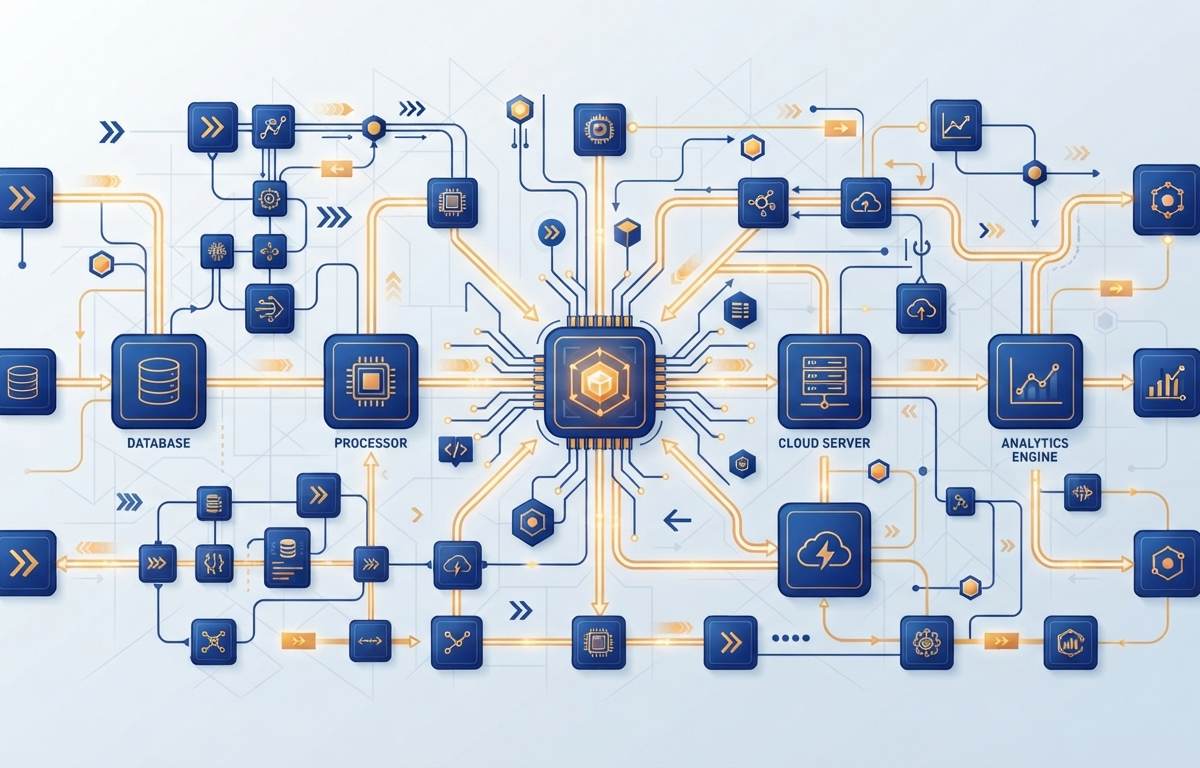
Anthropic has released comprehensive updates and architectural guidance for system prompts across its Claude model lineup. System prompts act as the fundamental operational foundation for artificial intelligence, establishing the persona, boundaries, contextual domain knowledge, and strict procedural rules before an AI model engages in any conversation or workflow. By optimizing how Claude processes these top-level instructions, organizations can significantly eliminate hallucinations, prevent unintended deviations, and achieve consistent task execution.
Historically, businesses attempting to integrate large language models into customer-facing or back-office tasks struggled with consistency. Standard user prompts often resulted in unpredictable responses, making commercial deployment a reputational risk. The newly standardized and enhanced system prompt framework enables software architects to enforce precise output formats, such as structured JSON or strict compliance checklists, transforming generative models from conversational novelties into resilient enterprise logic engines.
Globally, this advancement accelerates the shift toward autonomous AI agents. Enterprises are moving away from manual, one-off AI queries toward deeply integrated, programmatic digital coworkers that handle complex data pipelines, invoice processing, and multi-tier customer support. A reliable system prompt layer ensures that these digital agents strictly adhere to organizational policy, security standards, and brand voice across millions of automated transactions.
For businesses and government entities across Oman and the wider Gulf, this development offers an immediate, high-value opportunity. As Omani enterprises accelerate their digital transformation under Oman Vision 2040, deploying localized AI agents capable of handling bilingual Arabic and English communications with exact cultural nuance and regulatory compliance is vital. SMEs and e-commerce retailers can now build automated customer service assistants that accurately quote delivery terms, check warehouse inventory, and process refunds according to specific Omani consumer protection guidelines without needing expensive custom model training.
To capitalize on these improvements, GCC executives and technology leaders should conduct an operational audit to identify repetitive customer-facing and back-office communication bottlenecks. Engaging qualified regional digital engineering partners to build custom software, web apps, and automated workflows around Claude robust system prompt architecture will drive immediate cost savings, enhance operational efficiency, and elevate customer experience across the modern digital economy.