
AI Reads 2000-Year-Old Scroll: Lessons for Gulf Data Automation
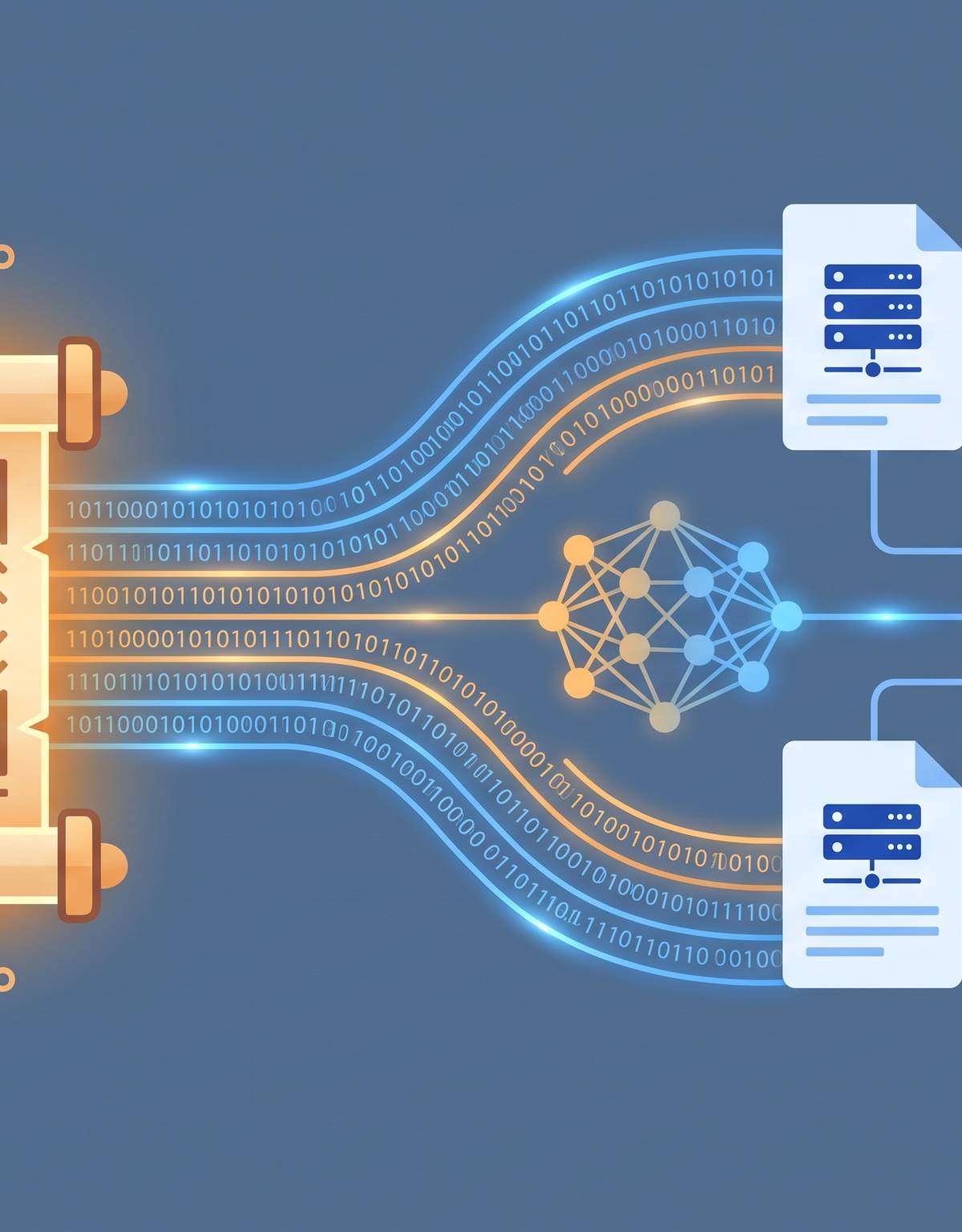
Scientists have achieved an unprecedented historical milestone by using artificial intelligence to read a carbonized Herculaneum scroll wrapped and burned during the eruption of Mt. Vesuvius in 79 AD. By combining high-resolution 3D CT scans with machine learning models trained to detect the micro-textures of ink on charred papyrus, researchers unlocked texts unreadable for two millennia without physically unrolling the fragile material.
This global milestone proves that modern artificial intelligence can identify patterns and extract legible information from extremely degraded, seemingly destroyed physical mediums. It shifts the paradigm of document recovery from risky physical restoration to non-destructive digital reconstruction, proving that what was once considered lost forever can now be retrieved through code.
The core technology relies on advanced neural networks trained on tiny variations in surface texture, translating raw, chaotic physical data into structured digital text. This capability goes far beyond standard optical character recognition (OCR), demonstrating that AI can find signals in almost any level of noise and reconstruct complex, unreadable data structures.
For businesses and government entities in Oman and the wider GCC, this breakthrough highlights the immense potential of AI-driven document intelligence and smart archiving. As Oman Vision 2040 drives digital transformation across public ministries and legacy sectors like oil and gas, banking, and logistics, organizations are sitting on vast archives of physical, handwritten, or degraded records. Applying custom machine learning models to these archives can unlock invaluable legacy data, automate compliance, and streamline knowledge management.
Omani SMEs and enterprises do not need to decipher ancient volcanic scrolls to benefit from this technology. Investing in advanced document automation and AI-powered OCR tools today allows businesses to digitize legacy workflows, reduce manual data entry errors, and convert unstructured paper archives into searchable, secure cloud databases that drive smarter operational decisions and cost savings.